Comprehensive legal services for cheque dishonour cases under Section 138 of the Negotiable Instruments Act, 1881.
Cheque bounce cases under the Negotiable Instruments Act are among the most common commercial disputes in Indian courts. When a cheque issued for discharge of a legal liability is dishonoured due to insufficient funds or other reasons, the payee has legal remedies available. At Advocate Naveen Deo & Associates, we specialize in handling cheque bounce cases, providing expert legal services to both complainants seeking recovery and accused defending against such complaints.
With over 15 years of experience in handling NI Act cases at Dwarka Court and other Delhi courts, we have successfully recovered crores of rupees for our clients and defended numerous accused persons against frivolous complaints. Our thorough understanding of the law, strict timelines, and court procedures ensures effective representation in every case.
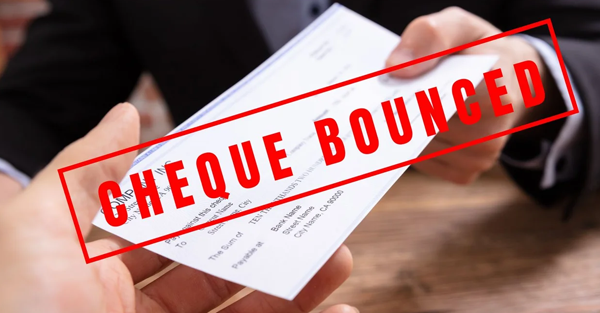
The first and most crucial step in a cheque bounce case is sending a proper legal notice within 30 days of dishonour. Our services include:
If the drawer fails to pay within 15 days of receiving the notice, criminal complaint can be filed. We assist with:
If you've been falsely accused or have valid defenses in a cheque bounce case, we provide strong defense:
Many cheque bounce cases can be resolved through negotiated settlements, saving time and costs:
Beyond criminal conviction, we help clients recover the cheque amount through various means:
If you're aggrieved by a lower court order, we handle appellate proceedings:
When cheque is returned unpaid by the bank with a memo citing reasons like "insufficient funds", "account closed", "signature mismatch", etc.
Payee must send a demand notice to drawer within 30 days of receiving bank memo, demanding payment of cheque amount.
Drawer has 15 days from receipt of notice to make payment. If no payment is made, cause of action arises.
Criminal complaint under Section 138 must be filed within 30 days of expiry of 15-day notice period before Magistrate Court.
After issuance of summons, trial proceeds with examination of witnesses, arguments, and final judgment. Punishment can include imprisonment up to 2 years and/or fine up to twice the cheque amount.
Section 138 of the Negotiable Instruments Act, 1881 makes dishonour of cheque a criminal offence punishable with imprisonment up to 2 years and/or fine up to twice the cheque amount. The cheque must have been issued for discharge of a legally enforceable debt or liability. The provision aims to enhance credibility of cheques as a payment instrument.
If you've missed the 30-day deadline to send legal notice, you lose the right to file criminal complaint under Section 138. However, you can still pursue civil remedies by filing a money recovery suit. It's therefore crucial to act quickly when a cheque bounces and consult a lawyer immediately.
Yes, Section 138 cases are compoundable, meaning they can be settled at any stage with permission of the court. If the accused pays the cheque amount and agreed compensation, the complainant can request the court to allow compounding and the case is disposed of. We facilitate such settlements when it's in client's best interest.
Valid defenses include: cheque was not issued for legally enforceable debt, notice was not served properly, complaint was filed beyond limitation, cheque was issued as security and not for liability discharge, signature on cheque was forged, or the debt was already paid. Each case depends on its specific facts and evidence.
If the accused fails to appear despite summons, the court can issue a bailable warrant. If still not appearing, a non-bailable warrant can be issued. The court can also proceed to try the case ex-parte (in absence of accused) and pass judgment based on complainant's evidence alone.
The duration depends on court workload and case complexity. With recent amendments mandating time-bound disposal, courts aim to complete trials within a reasonable time. Simple cases may conclude in 1-2 years, while complex cases with multiple issues may take longer. We work to expedite matters through proper case management.
Whether you need to recover money from a bounced cheque or defend against a Section 138 complaint, we can help. Contact us for expert legal assistance.